Water Treatment Chemicals
Coagulants, flocculants, adsorbents and disinfectants for drinking water, municipal and industrial wastewater, swimming pools and process water. We compare Chinese manufacturers on purity, dosage efficiency and price, and request COA and SDS for every order.
Tell us your application (drinking water, wastewater, pool, mining, paper) and your current product or dosage, and we will propose the right grade. Request a quote
Polyaluminium Chloride (PAC)
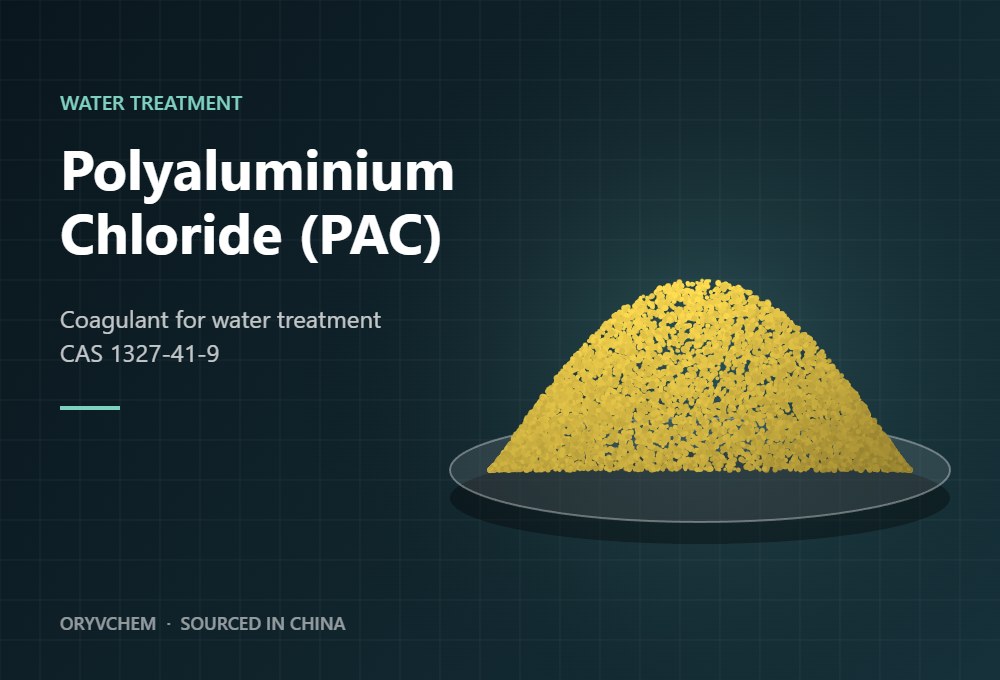
PAC is the most widely used inorganic coagulant. It forms larger, faster-settling flocs than alum, works across a wider pH range and leaves less residual aluminium. Spray-dried yellow grades are used for drinking water; drum-dried grades for wastewater.
Typical specifications: Al₂O₃ 28–30% (drinking water) or 26–28% (wastewater) · Basicity 40–90% · Water-insoluble matter ≤ 0.5% · Yellow or white powder
Applications: drinking water, municipal and industrial wastewater, paper making, dyeing and textile effluent.
Packaging: 25 kg bags.
Aluminium Sulfate (Alum)
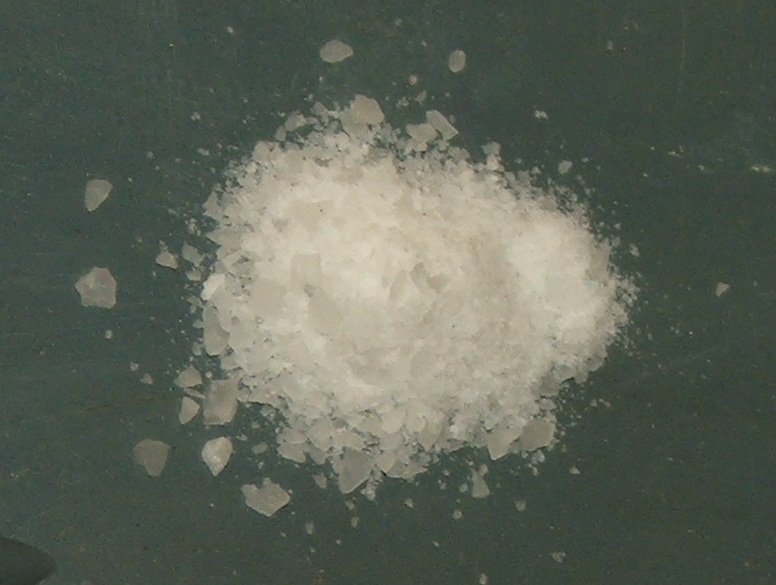
Aluminium sulfate is a classic, cost-effective coagulant for water clarification. Low-iron and iron-free grades are available for drinking water and paper sizing.
Typical specifications: Al₂O₃ 15.6–17% · Fe ≤ 0.5% (iron-free ≤ 0.005%) · Flakes, granules or powder
Applications: drinking and wastewater treatment, paper sizing, pool water, textile dyeing.
Packaging: 25 kg / 50 kg bags or 1 t jumbo bags.
Ferric Chloride
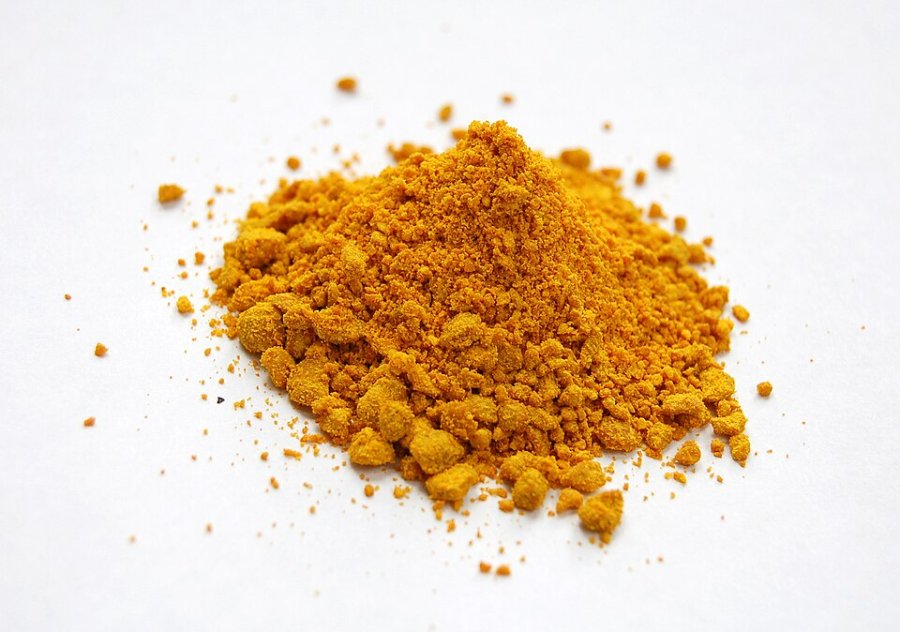
Ferric chloride is a strong iron-based coagulant that works well in cold water and at a wide pH range. It is also used to remove phosphate and to condition sludge before dewatering.
Typical specifications: FeCl₃ ≥ 96–98% (anhydrous) · Also hexahydrate lumps and 40% solution
Applications: municipal and industrial wastewater, phosphate removal, sludge conditioning, PCB etching.
Packaging: 25 kg bags or drums; solution in IBC. Shipped as dangerous goods (Class 8).
Polyacrylamide (PAM) Flocculants
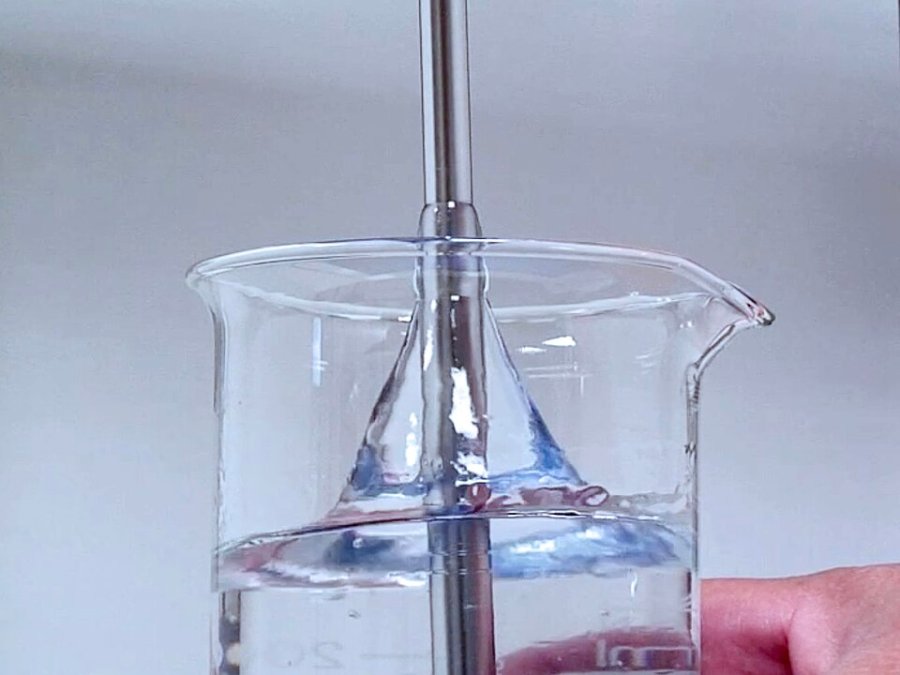
PAM is a high-molecular-weight polymer that bridges fine particles into large, strong flocs. Anionic, cationic and non-ionic grades are matched to your water and sludge.
Typical specifications: Molecular weight 5–25 million · Solid content ≥ 89% · Ionic degree 10–80% (cationic) · White granular powder
Applications: clarification with PAC or alum, sludge dewatering, mining and mineral processing, paper retention, oil fields.
Packaging: 25 kg bags.
Activated Carbon
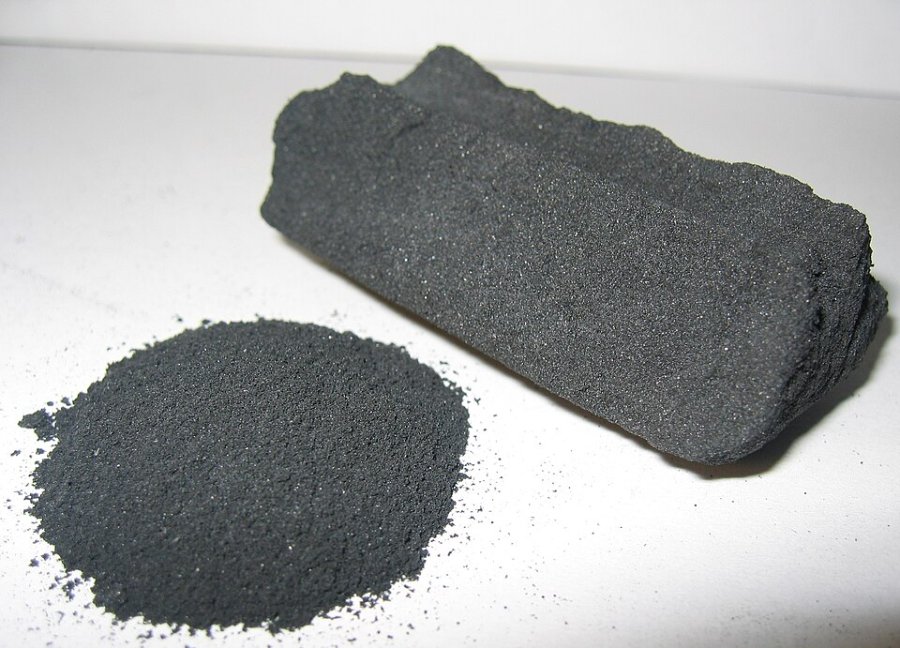
Activated carbon removes organic matter, chlorine, odour, taste and colour by adsorption. Coal-based and coconut-shell grades are available as granules, powder or pellets.
Typical specifications: Iodine value 800–1,100 mg/g · Granular 4×8, 8×30, 12×40 mesh · Powder 200–325 mesh · Moisture ≤ 5%
Applications: drinking water filters, wastewater, gold recovery, air and gas purification, sugar and oil decolourisation.
Packaging: 25 kg bags or 500 kg jumbo bags.
TCCA 90% (Trichloroisocyanuric Acid)
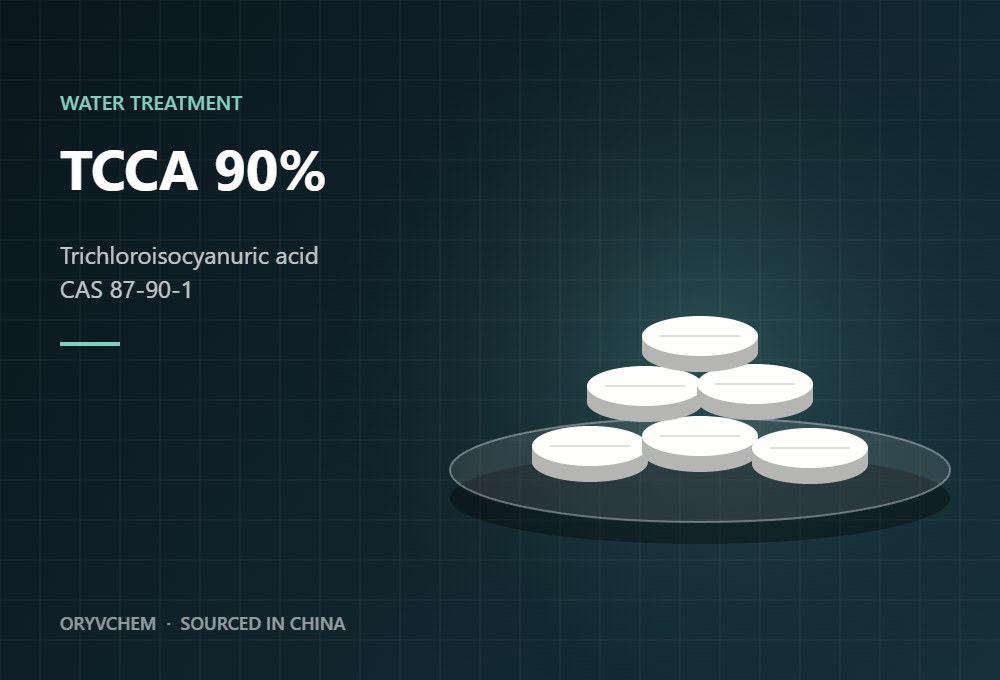
TCCA is a stable, slow-dissolving chlorine disinfectant, the most common product for swimming pools. It is available as tablets, granules or powder.
Typical specifications: Available chlorine ≥ 90% · Tablets 200 g and 20 g · Granules 8–30 mesh · Powder
Applications: swimming pools and spas, drinking water disinfection, sanitation, textile bleaching.
Packaging: 1 kg / 5 kg / 50 kg drums or private-label pails. Shipped as dangerous goods (Class 5.1).
Calcium Hypochlorite
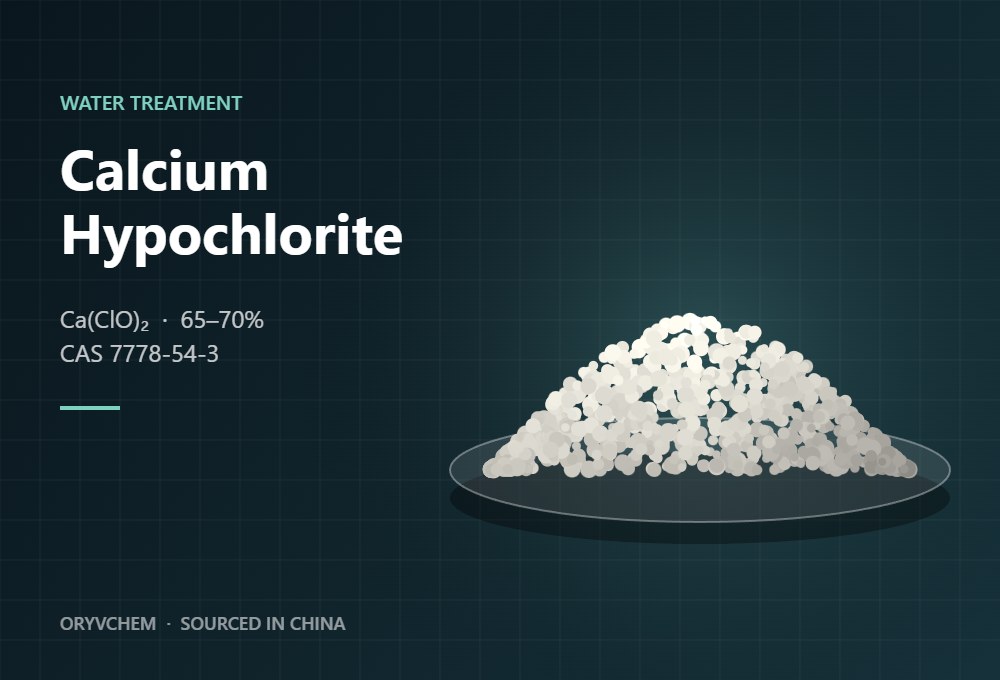
Calcium hypochlorite is a fast-acting, high-strength chlorine disinfectant for shock treatment and emergency water disinfection.
Typical specifications: Available chlorine 65–70% · Granular · Calcium process or sodium process
Applications: swimming pools, drinking water, food-industry and hospital sanitation, aquaculture.
Packaging: 45 kg / 50 kg drums. Shipped as dangerous goods (Class 5.1).
Ion Exchange Resin
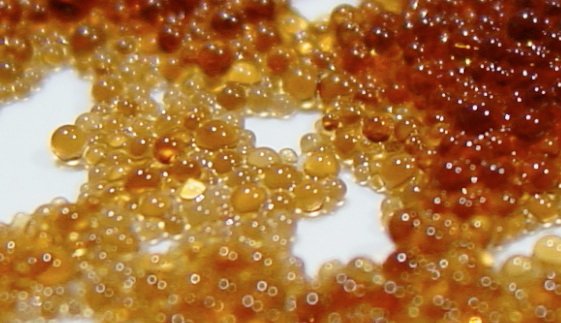
Ion exchange resins remove hardness and dissolved salts from water. Strong-acid cation, strong-base anion and mixed-bed grades are available for softening and demineralisation.
Typical types: strong-acid cation (Na⁺/H⁺ form) · strong-base anion · mixed bed · gel and macroporous · 0.3–1.2 mm beads
Applications: water softeners, boiler feed water, demineralisation, RO polishing, food and sugar processing.
Packaging: 25 L bags.
Bentonite
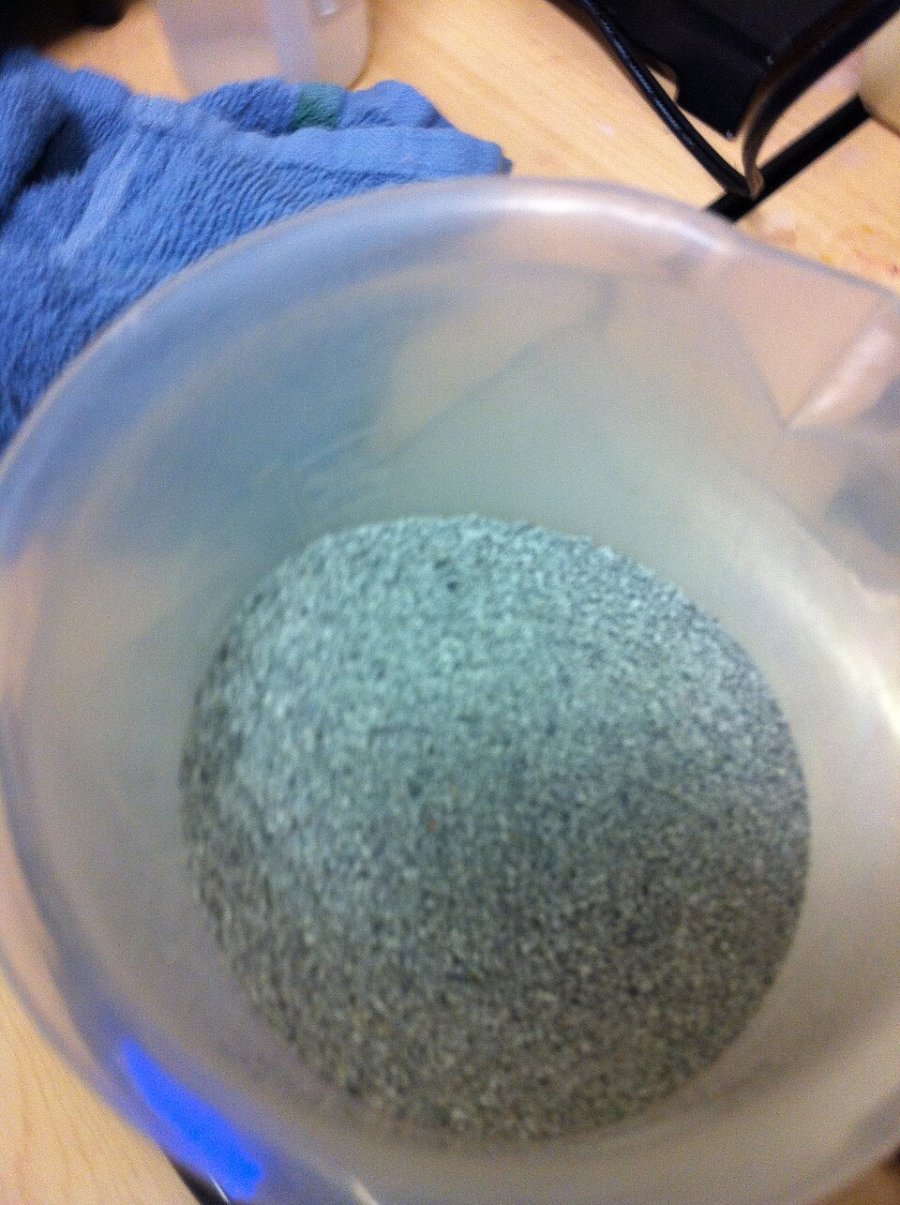
Bentonite is a swelling clay that absorbs water and binds fine particles. Sodium and calcium grades are used as a clarifying aid, sealing material and drilling mud.
Typical specifications: Swelling index ≥ 24 ml/2 g (sodium grade) · Montmorillonite ≥ 80% · 200 mesh
Applications: wastewater clarification, drilling mud (API grade), foundry sand, wine and oil clarification, cat litter.
Packaging: 25 kg / 50 kg bags or 1 t jumbo bags.
Need another water treatment product?
We also source sodium hypochlorite, chlorine dioxide generators, antiscalants, corrosion inhibitors, defoamers, pH adjusters and RO membrane chemicals. Contact us or WhatsApp +86 159 0034 0902.
Specifications are typical values for illustration. Exact values are confirmed by the supplier's COA for each order. Dangerous goods are quoted and shipped by prior consultation.
Photo credits (Wikimedia Commons): Polyacrylamide by Wikiiuser4219, CC BY-SA 4.0 · Activated carbon by Ravedave, CC BY 2.5 · Bentonite by Agne27, CC BY-SA 3.0 · Aluminium sulfate (Chemicalinterest), ferric chloride (Benjah-bmm27) and ion exchange resin (Bugman), public domain.