Ceramic Raw Materials
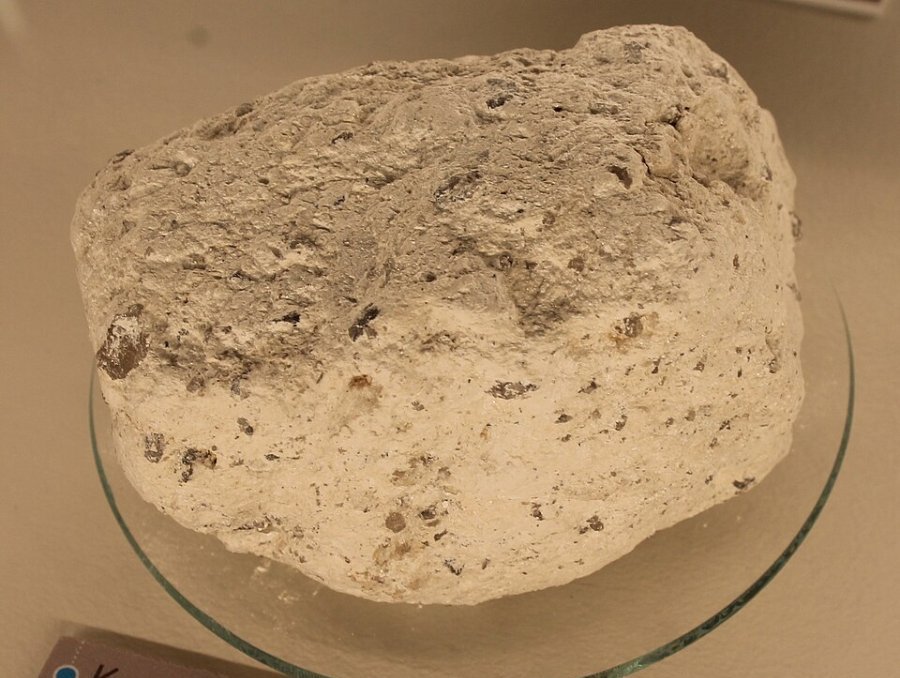
Foshan is one of the largest ceramic production centres in the world. We source body and glaze raw materials from the same suppliers that serve its tile, sanitaryware and tableware factories, and ship them to buyers in the Middle East, Africa and Europe.
Every grade is matched to your recipe. Send us your current specification or a sample and we compare suppliers on chemistry, particle size, fired colour and price. COA and SDS are requested for every order. Request a quote
Kaolin
Kaolin (china clay) is the main source of alumina in ceramic bodies and glazes. It gives whiteness, strength and a smooth fired surface, and controls the rheology of glaze slips. Washed and refined grades are available, from standard tile kaolin to high-white grades for porcelain and sanitaryware.
Typical specifications: Al₂O₃ 30–37% · Fe₂O₃ ≤ 0.8% · TiO₂ ≤ 0.5% · Fired whiteness ≥ 85% · 325 mesh
Applications: porcelain and wall tiles, sanitaryware, tableware, glazes and engobes; also paper, paint and rubber.
Packaging: 25 kg bags or 1 t jumbo bags.
Ball Clay
Ball clay is a fine-grained, highly plastic sedimentary clay. It binds the ceramic body, gives high green and dry strength for pressing and handling, and improves the flow of casting slips.
Typical specifications: Al₂O₃ 22–30% · Fe₂O₃ ≤ 1.5% · High plasticity · Low residue on 325 mesh
Applications: floor and wall tile bodies, sanitaryware casting slips, tableware, engobes.
Packaging: 25 kg / 50 kg bags, 1 t jumbo bags or bulk.
Feldspar (Potash & Soda)
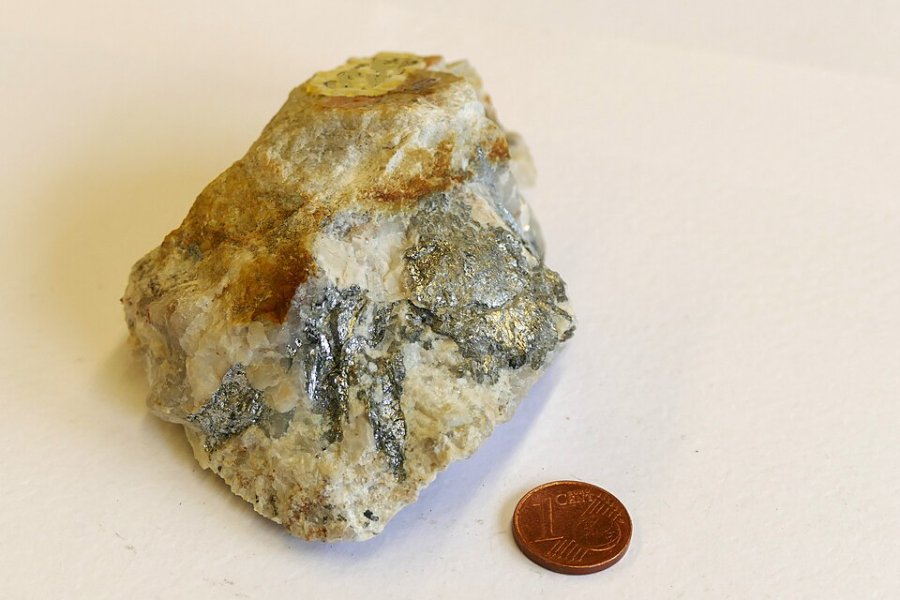
Feldspar is the main flux in ceramic bodies and glazes. It melts during firing to form the glassy phase that bonds the body, lowers porosity and increases strength. Potash, soda and mixed grades are available in milled powder or granular form.
Typical specifications: K₂O + Na₂O 10–14% · Fe₂O₃ ≤ 0.2% · 200–325 mesh
Applications: porcelain tiles, sanitaryware, tableware, glazes and frits; also glass.
Packaging: 25 kg bags, 1 t jumbo bags or bulk.
Quartz & Silica Sand

High-purity quartz gives the ceramic body its skeleton, controls thermal expansion and reduces firing shrinkage. Supplied as washed sand or as finely milled quartz flour.
Typical specifications: SiO₂ ≥ 99% · Fe₂O₃ ≤ 0.05% · Sand 40–120 mesh · Flour 200–325 mesh
Applications: tile and sanitaryware bodies, glazes, frits; also glass, foundry and construction chemicals.
Packaging: 25 kg / 50 kg bags or 1 t jumbo bags.
Zirconium Silicate
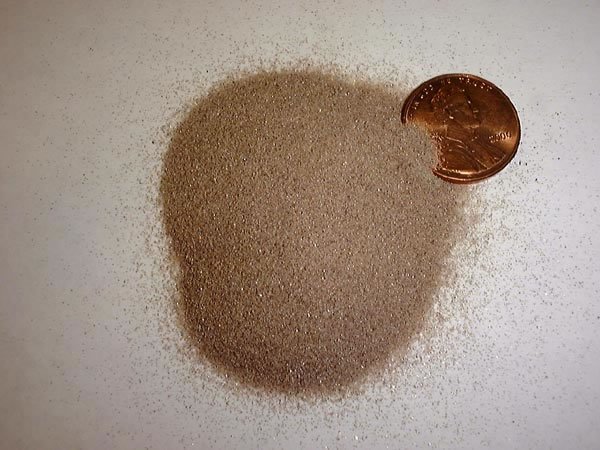
Zirconium silicate (zircon flour) is the standard opacifier for white glazes and engobes. Fine, narrow particle-size grades give a brighter white with a lower dosage.
Typical specifications: ZrO₂ + HfO₂ ≥ 63–65% · Fe₂O₃ ≤ 0.1% · D50 1.0–1.5 µm · High whiteness
Applications: wall and floor tile glazes, sanitaryware glazes, engobes, frits, refractories.
Packaging: 25 kg bags or 1 t jumbo bags.
Ceramic Frits
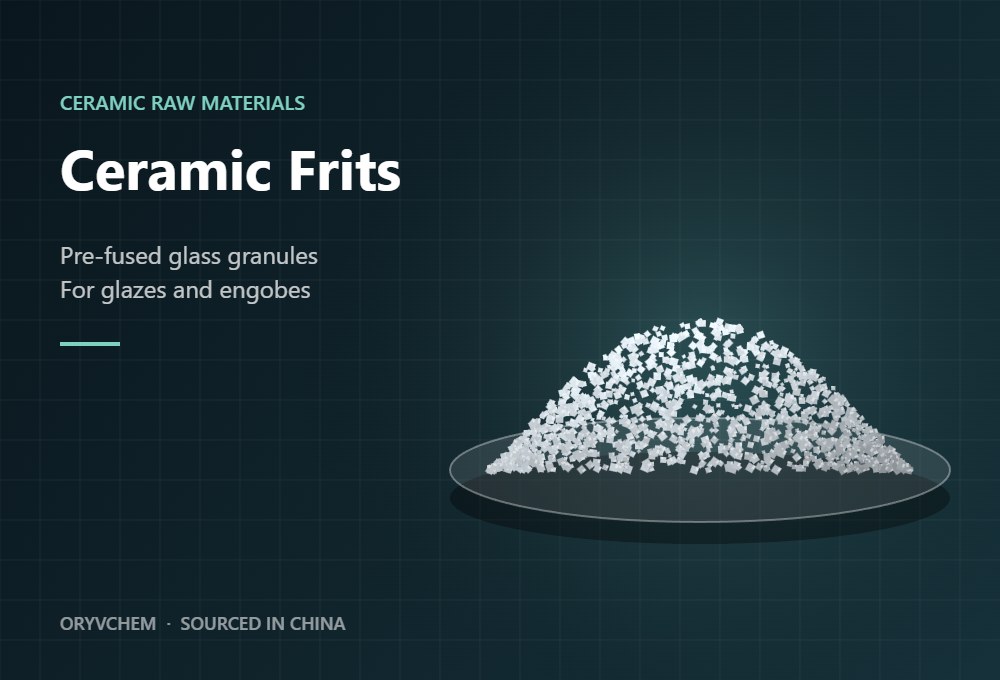
Frits are glasses that are pre-melted and quenched so that soluble and toxic raw materials become insoluble and safe to use. They form the base of most modern tile glazes.
Typical types: transparent · zircon-opaque white · matt · glossy · low-temperature fast-firing · for single and double firing
Applications: wall and floor tile glazes, engobes, sanitaryware and tableware glazes.
Packaging: 25 kg bags or 1 t jumbo bags.
Wollastonite
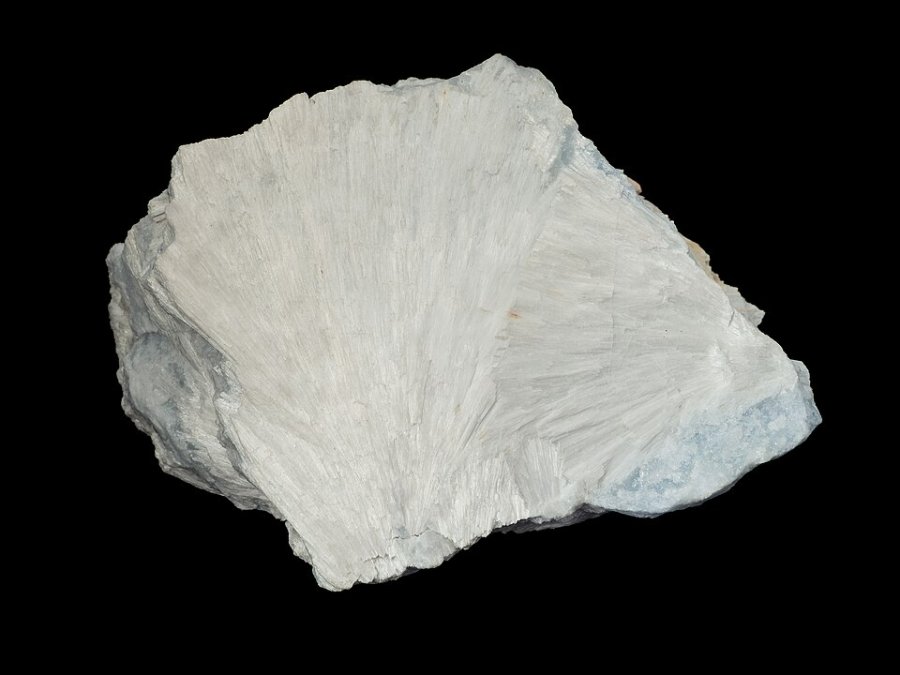
Wollastonite (calcium metasilicate) has needle-shaped particles. In ceramic bodies it shortens firing cycles, reduces shrinkage and warping, and improves strength. It is also used as a functional filler in plastics and coatings.
Typical specifications: CaO 45–48% · SiO₂ 49–52% · Fe₂O₃ ≤ 0.3% · 325–1250 mesh
Applications: fast-fired wall tiles, glazes, ceramic bodies; also plastics, paints and friction materials.
Packaging: 25 kg bags or 1 t jumbo bags.
Calcined Alumina
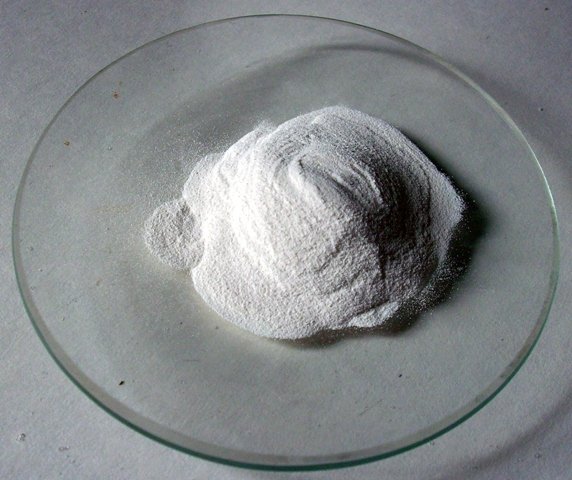
Calcined alumina is high-purity α-alumina. It increases hardness, abrasion resistance and mechanical strength in technical ceramics, wear-resistant glazes and refractories.
Typical specifications: Al₂O₃ ≥ 99% · Na₂O ≤ 0.3% · D50 2–5 µm
Applications: alumina ceramics, grinding media, wear-resistant glazes, refractories, polishing.
Packaging: 25 kg bags or 1 t jumbo bags.
Ceramic Pigments (Stains)
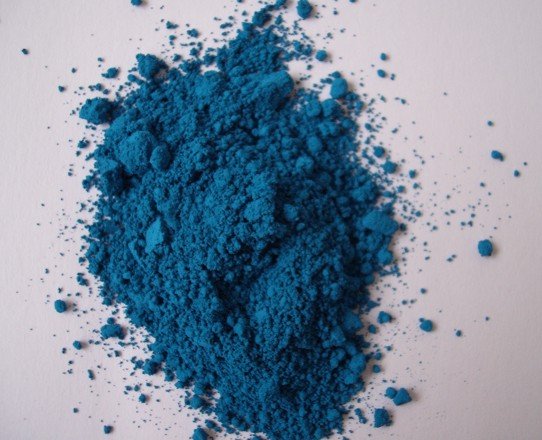
Ceramic stains are heat-stable inorganic pigments for colouring bodies and glazes. They keep their shade at high firing temperatures and in different glaze chemistries.
Typical colours: cobalt blue · praseodymium yellow · iron-chrome black · chrome-tin pink · brown · green · grey · for body and glaze, stable up to 1,200–1,250 °C
Applications: porcelain tile bodies (double-loaded and full-body), glazes, inks, sanitaryware and tableware.
Packaging: 25 kg bags or drums.
Need another ceramic material?
We also source bentonite, dolomite, talc, sodium silicate, deflocculants, ceramic inks and digital-printing glazes. Send us your specification and we will find matching suppliers. Contact us or WhatsApp +86 159 0034 0902.
Specifications are typical values for illustration. Exact values are confirmed by the supplier's COA for each order. Product photos: see Photo credits.
Photo credits (Wikimedia Commons): Kaolin by Koreller, CC BY-SA 4.0 · Feldspar by Kritzolina, CC BY-SA 4.0 · Wollastonite by Zbynek Burival, CC BY-SA 4.0 · Silica sand by James St. John, CC BY 2.0 · Zircon (USGS), calcined alumina (Ondřej Mangl) and pigment (FK1954), public domain.